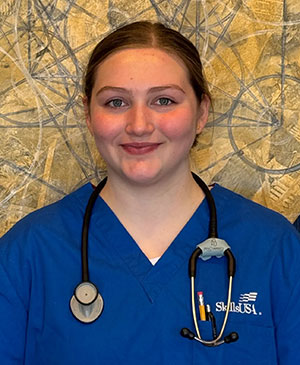
May 6–12 marks National Nurse’s Week. During this time, the Seneca Highlands health assistance class will begin to celebrate those people who have contributed significantly to nursing. The end of the week is the birthday of one of the most influential nurses throughout history, Florence Nightingale. Due to her excellent achievement in class combined with her displays of professionalism, collaboration, and leadership, Autumn Ford has been chosen as the class representative for Florence Nightingale this week. Autumn is a sophomore from Oswayo Valley. She is currently pursuing her training as a nursing assistant. In January, she attended the District 6 SkillsUSA competition in medical assisting. Some other achievements Autumn has made this year include earning her OSHA 10 certificate and BLS certification.
In recognition of National Nurses Week, students in Mrs. Barth’s health assistance class at the Seneca Highlands Career and Technical Center are preparing to celebrate the history of healthcare. This week long event includes a birthday party on May 12, in remembrance of Florence Nightingale. After courageously veering from the traditional stereotypes of what women could contribute to society, Miss Nightingale paved the way for nursing to become a respectable profession. She was an educated woman who used her knowledge, compassion, and skill to determine causes of illness in hopes of improving the overall state of health in Skutari Hospital during the Crimean War. She and her corps of nurses did not receive a warm welcome at the hospital from the traditionally male-dominated environment. Her steadfast determination eventually resulted in huge strides in infection control, mental health treatment, and nursing research.
During the week, students look at people and significant historical events. To examine the impact of these things, they do a deep dive into the past, present, and future of healthcare. Healthcare advancement has benefited from significant contributions of many physicians, psychologists, and scientists along the way. These people have bravely explored technology and pushed boundaries to give us the ability to see inside the human body and to develop new treatments and medications that keep us well or prevent illness from happening.
Today, nurses are utilized as direct caregivers and even primary care providers. They are respected teachers, providers, and politicians, thanks to their multifaceted education and experiences. Their compassion and commitment to patient-focused care make nurses instrumental in driving socioeconomic change in relation to healthcare disparities. Nursing is not a career for the faint of heart. This field requires the highest integrity and a willingness to sacrifice one’s own agenda for the good of society. The academic requirements to become a nurse include a higher standard than for many other college majors. There is also a rigorous clinical component to the program that requires the same high standards for integrity, professionalism, and patient care.
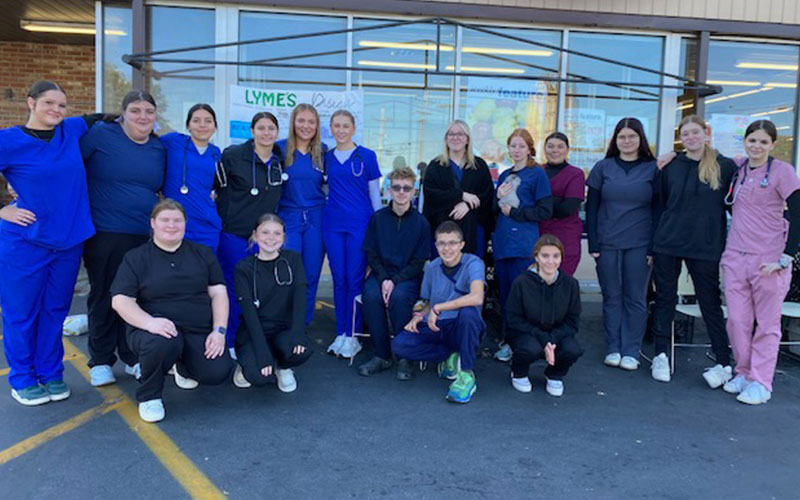
The future looks promising for healthcare. New technologies that improve access and advance treatments are popping up every day. Seneca Highlands’ health assistance program prepares students to enter into employment or post-secondary education for various careers in healthcare. Perhaps some of the students graduating will become involved in engineering further changes. This week’s events are designed to pique the curiosity and ingenuity of our students in the health assistance program so that they may be the future leaders in the quest toward wellness. We look forward to learning what our students have discovered about this fascinating world of healthcare.